The Importance of Blade Flexibility in a fish fillet knife
Open the Secrets of Fish Filleting With a High-Quality Fillet Knife: Tips and Techniques
Fish filleting is an art that requires the right tools and techniques. A premium fillet blade is essential for attaining tidy cuts and accuracy. Recognizing the makeup of the blade and understanding necessary techniques can raise one's abilities. Many neglect the importance of workspace prep work and common errors that can lead to thrown away fish. This expedition will discover the subtleties of reliable filleting and how to avoid mistakes that impede success.
Recognizing the Makeup of a Fillet Knife
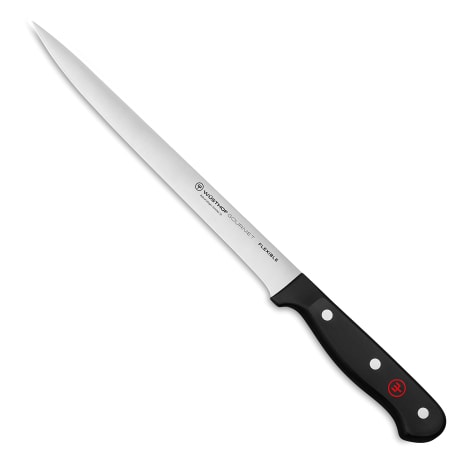
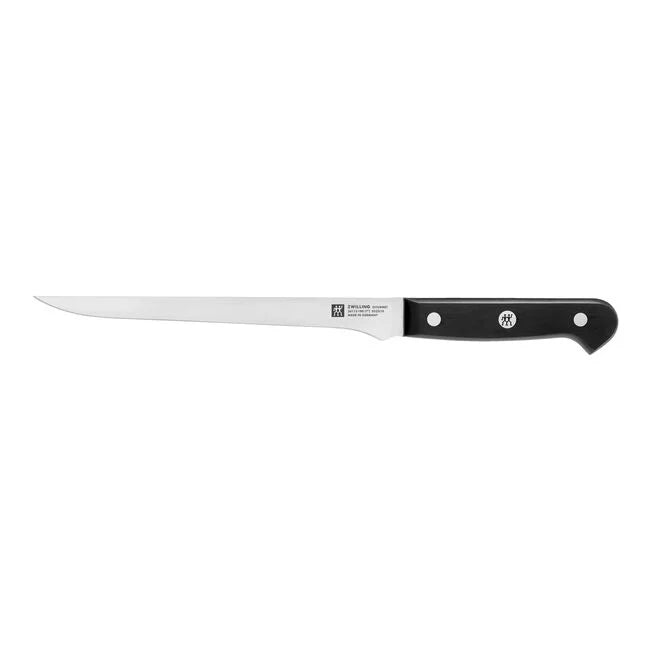
A fillet knife is an important device for any fish enthusiast, developed specifically for the fragile job of removing fillets from the bone. Recognizing its makeup can considerably boost an individual's filleting skills. The blade is normally long, slim, and flexible, allowing for specific motions along the fish's back and ribs - best fillet knife for saltwater fish. The sharp side is vital for tidy cuts that lessen waste and protect the quality of the meat
The manage, often ergonomically designed, gives a safe hold, which is essential for control during the filleting procedure. It might be made from numerous materials, consisting of wood or synthetic composites, each providing different levels of comfort and resilience. The reinforce, located in between the blade and manage, includes stability and equilibrium. In general, the careful design of a fillet knife, from the blade to the manage, plays a crucial duty in guaranteeing efficient and efficient fish prep work.
Picking the Right Fillet Blade for Your Demands
Picking the appropriate fillet blade can greatly influence the performance and top quality of fish preparation. When choosing a fillet knife, a number of aspects ought to be thought about, including blade versatility, length, and material. A blade typically ranges from 6 to 9 inches, permitting accuracy based upon the dimension of the fish being refined. Adaptability is crucial; a much more flexible blade enables intricate cuts around bones and skin, while a stiffer blade offers much better control for larger fish.
The material of the blade additionally plays a substantial function. Stainless-steel is preferred for its corrosion resistance and ease of maintenance, while high-carbon steel offers superior sharpness yet requires extra care to protect against corrosion. Take care of convenience and grip are equally essential, as a secure hold is crucial for safety and security and accuracy throughout filleting jobs. By taking these variables into account, one can select a fillet blade that fulfills their certain requirements and improves their fish prep work experience.
Important Fish Filleting Techniques
Comprehending vital fish filleting techniques is crucial for attaining specific and clean cuts. Appropriate knife grip plays a substantial function in control and safety and security throughout the filleting procedure. Additionally, grasping the step-by-step process can enhance effectiveness and results, making sure a high-grade fillet.
Appropriate Knife Grasp
Mastering the correct knife hold is an essential skill in fish filleting that can greatly boost accuracy and control. A company yet comfy hold permits the user to direct the knife efficiently along the fish's body. The most effective hold includes holding the handle with the dominant hand while squeezing the blade's back with the thumb and forefinger for added security. This method offers enhanced control during complex cuts. The non-dominant hand needs to be utilized to secure the fish, guaranteeing it continues to be steady throughout the procedure. Proper grasp not just improves precision yet also reduces the threat of crashes. By concentrating on these essential aspects, filleting becomes an extra enjoyable and efficient job, leading to far better outcomes.
Filleting Process Actions
With a proper knife grip established, the following step in the fish filleting procedure includes a series of specific methods that guarantee tidy and effective cuts. Initially, the fish ought to be positioned on a stable cutting board, belly side up. The fillet knife is then put behind the gills, reducing towards the backbone. A smooth, sweeping movement along the spine separates the flesh from the bone. Careful attention is paid to the chest, guaranteeing all flesh is removed. When one side is complete, the fish is turned to duplicate the procedure beyond. Any kind of continuing to be bones or skin are trimmed away, producing gorgeous and clean fillets prepared for cooking.
Preparing Your Work Space for Filleting
Preparing an office for fish filleting is necessary for effectiveness and safety. An organized location, furnished with vital tools, assures a smooth process while minimizing the threat of mishaps. Applying appropriate security actions is vital to safeguard both the specific and the office throughout this cooking task.
Tidy and Organized Area
A orderly and tidy work area is crucial for successful fish filleting. It enables and minimizes disturbances for a smooth and effective process. Prior to starting, the location should be free from any type of unnecessary items that might interfere with the task. A sterilized surface area, preferably made from non-porous product, is optimal for simple cleansing and to stop cross-contamination. Having all necessary devices within arm's reach, such as reducing towels and boards, can boost efficiency. Furthermore, organizing the work space with designated areas for tools and particles disposal aids keep cleanliness and order. This prep work not only fosters a much safer atmosphere however likewise boosts emphasis, allowing filleting techniques to be carried out extra properly and with better precision.
Crucial Devices Checklist
A reliable fish filleting process counts greatly on having the right tools handy. Vital items consist of a premium fillet knife, which assures precision and ease when cutting through fish flesh. A tough reducing board is essential for providing a secure surface and safeguarding counter tops. Additionally, a pair of fish pliers help in removing bones efficiently. Having a sharpener nearby is necessary to maintain the blade's edge throughout the process. A container for scraps keeps the work area neat. A towel can help in managing unsafe fish and cleaning surfaces. By collecting these devices, one establishes the phase for a effective and satisfying filleting experience, advertising both effectiveness and performance.
Appropriate Precaution
Tips for Keeping Your Fillet Knife
Appropriate maintenance of a fillet knife is look what i found important for assuring optimal performance and longevity. Routine cleaning after each use is critical; a basic wash with cozy, soapy water followed by detailed drying out avoids corrosion and deterioration. It is advisable to stay clear of saturating the blade or positioning it in a dishwashing machine, as these approaches can damage the blade and manage.
Sharpening the knife periodically is also considerable. Using a whetstone or developing pole can assist keep a lancinating side, which is essential for accuracy filleting. In addition, keeping the knife correctly safeguards its blade; a knife sheath or magnetic strip is favored over a drawer where it might come across various other utensils.
Finally, checking the blade routinely for indications of wear or damages assurances that it stays risk-free and effective. By sticking to these maintenance suggestions, customers can lengthen the life of their fillet knife and improve their general fish filleting experience.
Typical Mistakes to Prevent When Filleting Fish
Filleting fish can be a rewarding experience, however usual errors can bring about squandered meat and frustration. One regular mistake is making use of a dull knife, which can make exact cuts hard and lead to tearing the flesh. In addition, several beginner fishermens overlook to appropriately scale the fish, making it challenging to attain tidy fillets. One more mistake is not following the all-natural shapes of the fish; cutting versus the grain can cause unequal pieces and thrown away meat. Falling short to eliminate all bones can likewise diminish the last dish, as diners might encounter undesirable shocks. Finally, rushing via the procedure can result in negligent cuts and security dangers. By bearing in mind these typical mistakes, people can improve their filleting method and assure a more reliable and satisfying experience when preparing fish.
Enhancing Your Fish Dishes With Flavorful Marinades and Seasonings
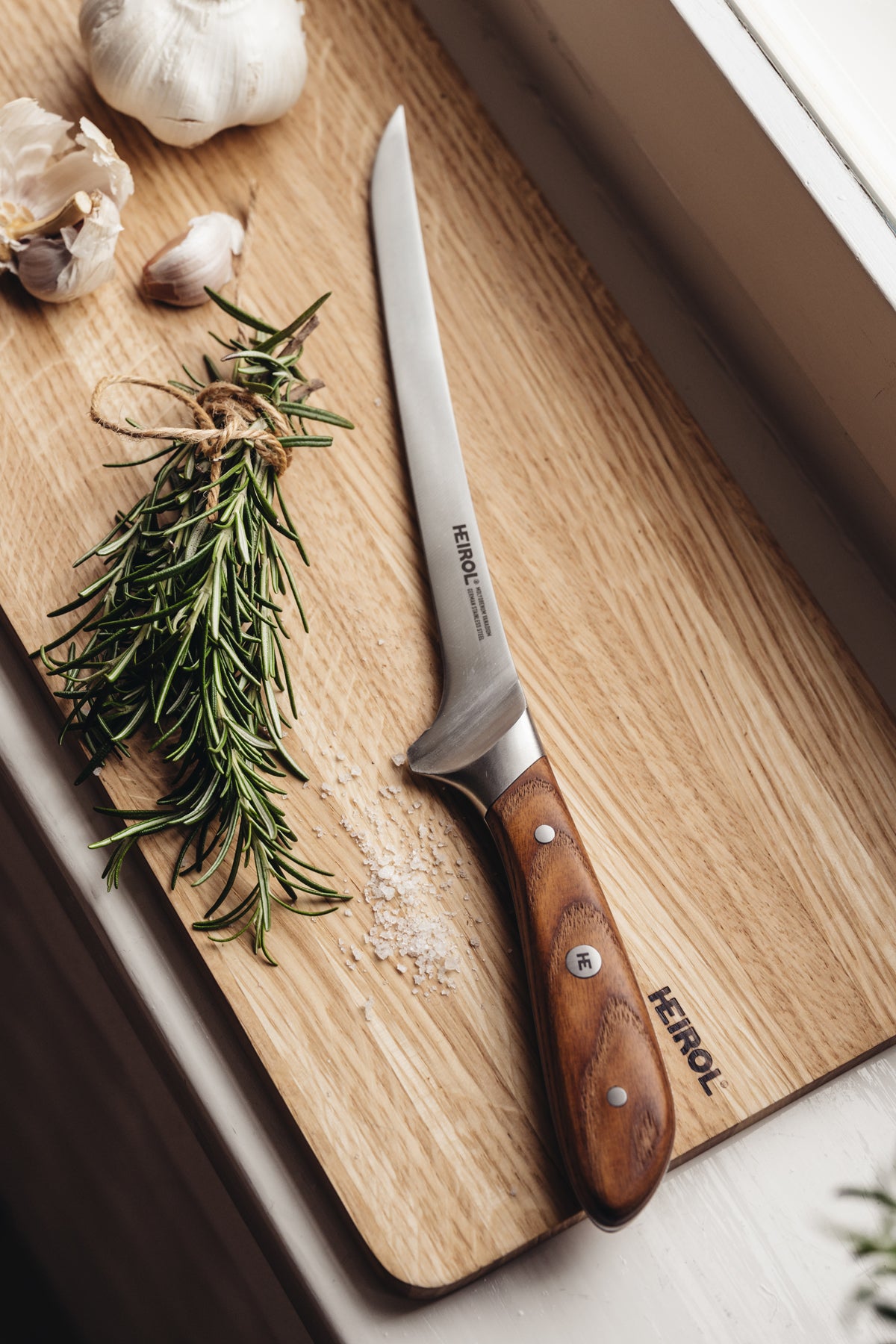
Seasonings play a necessary duty too. A sprinkle of sea salt and newly fractured pepper can highlight the intrinsic tastes of the fish, while flavors such as paprika or cumin can add warmth and intricacy. Additionally, integrating ingredients like ginger or chili can introduce an exciting kick.
Try out various mixes allows cooks to discover special flavors that enhance various fish kinds. Eventually, the appropriate marinade or spices transforms a simple fish recipe into a cooking pleasure, making it unforgettable for those who delight.
Often Asked Concerns
Exactly how Do I Sharpen My Fillet Blade in the house?
To hone a fillet knife in your home, one can utilize a whetstone or sharpening rod (best fillet knife for saltwater fish). Keeping a constant angle while developing assurances an efficient side, while regular honing maintains the blade in peak problem for filleting
Can I Utilize a Fillet Knife for Other Kinds Of Meat?
Yes, a fillet knife can be utilized for other sorts of meat, although its style is enhanced for fish. Its flexibility and intensity might assist in exact cuts, yet certain meat knives are usually a lot more efficient.
What's the most effective Method to Tidy My Fillet Knife After Usage?
To clean a fillet knife after usage, one should wash it with warm water, apply moderate soap, gently scrub the blade with a soft sponge, and completely completely dry it to stop rust and preserve intensity.
Exactly how Usually Should I Change My Fillet Blade?
A fillet knife should be content changed every one to 2 years, depending upon use and maintenance. Regular sharpening and correct treatment can expand its life, yet indications of wear show it's time for a replacement.
Are There Specific Brand Names of Fillet Knives Recommended for Beginners?
A number of brands are advised for newbies, consisting of Victorinox, Rapala, and Dexter-Russell. These blades use a great equilibrium of quality, cost, and ease here are the findings of usage, making them suitable for those brand-new to fish filleting.
A fillet knife is a necessary device for any fish enthusiast, designed particularly for the fragile job of eliminating fillets from the bone. Selecting the appropriate fillet knife can greatly impact the performance and top quality of fish prep work. Vital products include a high-grade fillet blade, which guarantees accuracy and convenience when reducing via fish flesh. Properly securing the fish with a towel or a specialized fish holder can give extra control. Yes, a fillet blade can be made use of for various other kinds of meat, although its style is maximized for fish.